
The Language of Landscape
Air Date: Week of January 25, 2008
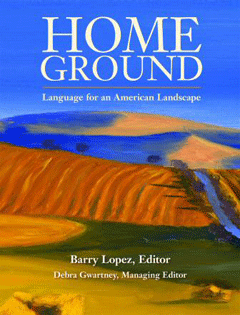
Home Ground: Language for an American Landscape, edited by Barry Lopez and Debra Gwartney. (Courtesy of Trinity University Press)
Living on Earth continues its series exploring features of the American landscape. The feature is based on the book "Home Ground: Language for an American Landscape," edited by Barry Lopez and Debra Gwartney. In this installment, Eva Saulitis reads her definition of “frost line”.
Transcript
GELLERMAN: Now if somebody asked you what a frostline was, you might think Robert Frost, who had a lot of good lines: ‘Good fences make good neighbors’ or maybe ‘Whose woods these are I think I know.’ Frost had a great sense of the countryside around his New England home, and he might well have appreciated a book we’ve been featuring occasionally on Living on Earth. It’s called Home Ground: Language for an American Landscape. Barry Lopez and Debra Gwartney edited the book, choosing authors to define features of landscapes near and dear to them. Today, Eva Saulitis of Homer, Alaska defines frostline
Home Ground: Language for an American Landscape, edited by Barry Lopez and Debra Gwartney. (Courtesy of Trinity University Press)
GELLERMAN: Eve Saulitis is a writer, teacher and marine biologist from Homer, Alaska. Her definition of frostline appears in Home Ground: Language for an American Landscape, edited by Barry Lopez and Debra Gwartney.
Links
Living on Earth wants to hear from you!
Living on Earth
62 Calef Highway, Suite 212
Lee, NH 03861
Telephone: 617-287-4121
E-mail: comments@loe.org
Newsletter [Click here]
Donate to Living on Earth!
Living on Earth is an independent media program and relies entirely on contributions from listeners and institutions supporting public service. Please donate now to preserve an independent environmental voice.
NewsletterLiving on Earth offers a weekly delivery of the show's rundown to your mailbox. Sign up for our newsletter today!
 Sailors For The Sea: Be the change you want to sea.
 The Grantham Foundation for the Protection of the Environment: Committed to protecting and improving the health of the global environment.
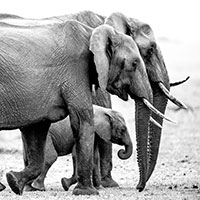 Contribute to Living on Earth and receive, as our gift to you, an archival print of one of Mark Seth Lender's extraordinary wildlife photographs. Follow the link to see Mark's current collection of photographs.
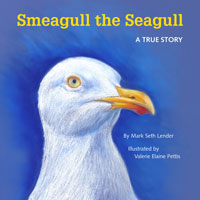 Buy a signed copy of Mark Seth Lender's book Smeagull the Seagull & support Living on Earth
© Copyright World Media Foundation. All Rights Reserved
Home | Contact | RSS | Donate | Newsletter